
Crocodile
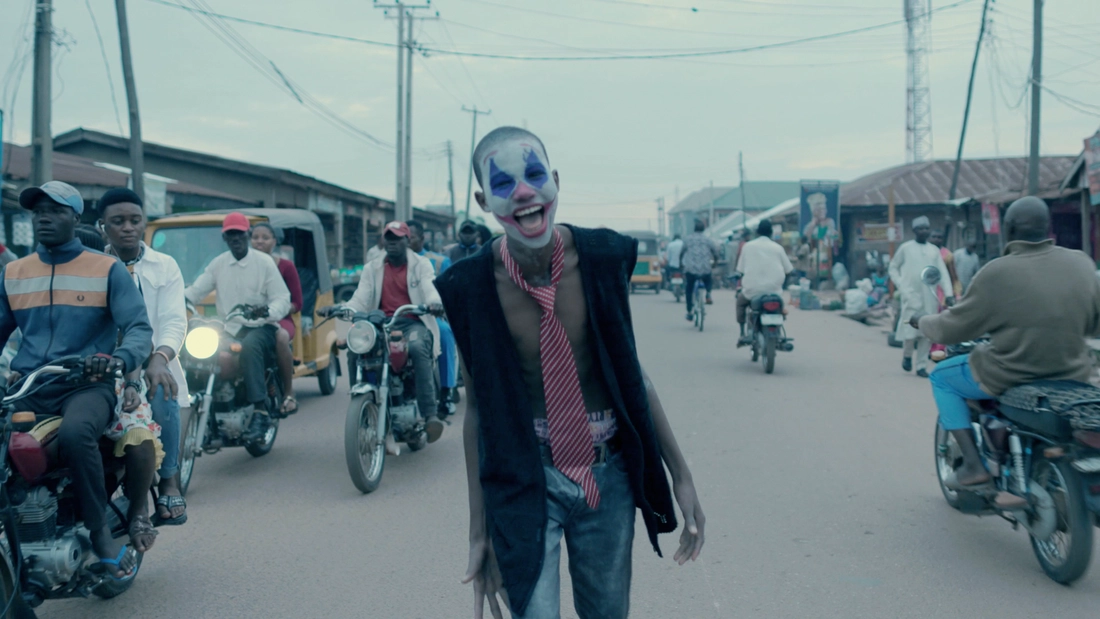
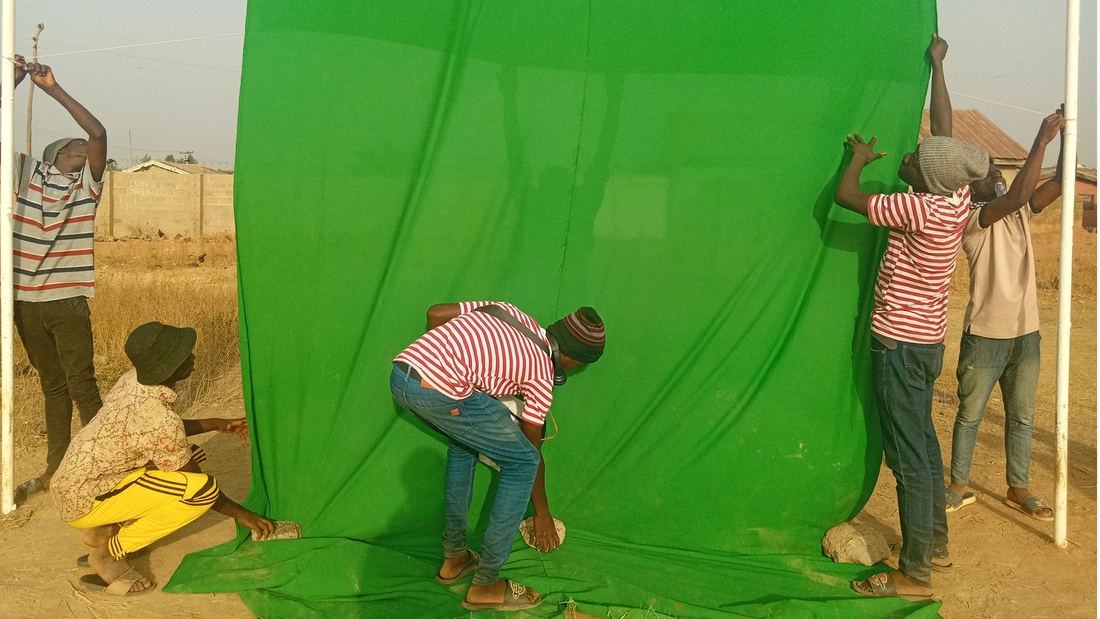
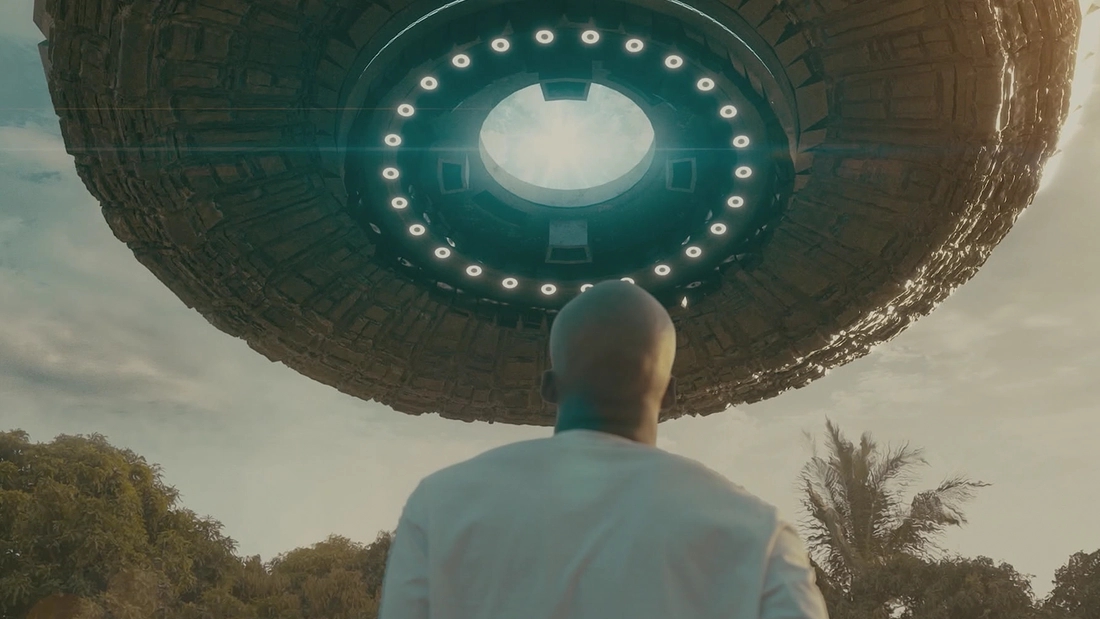
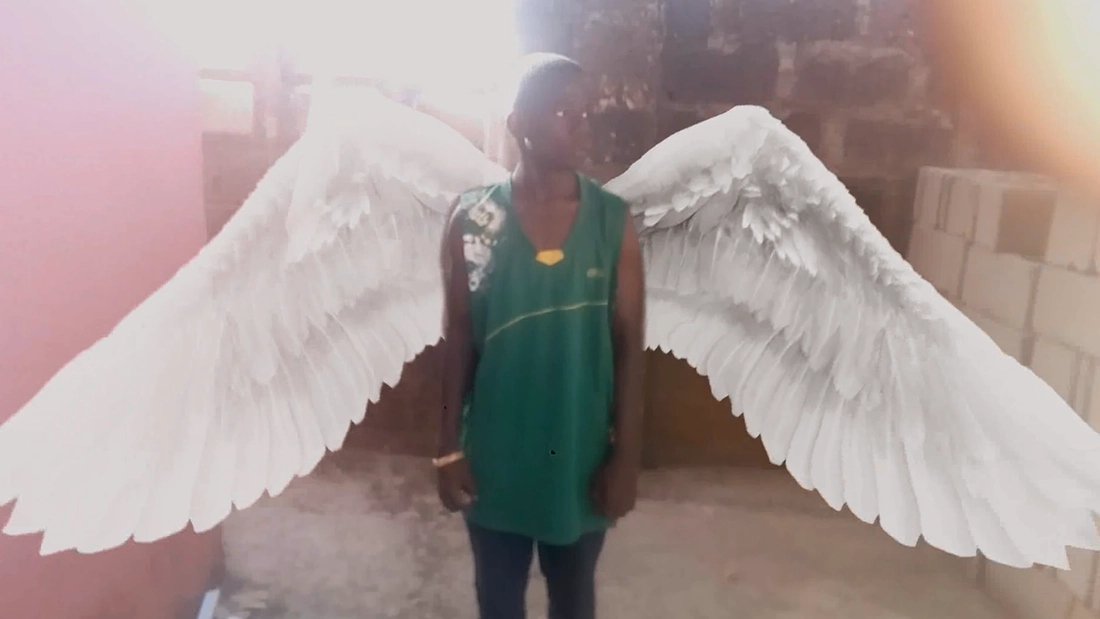
Hibiscus tea standing in for blood, shots of bodies vanishing from the landscape, cars that fly. The set is a small village in Kaduna, Nigeria. A group of teenagers brimming with cinephile passion plunges into a sea of adventure, creating small films that swap out their present for a future world. The village’s lack of electricity conspires against the creation of their work but doesn’t give the group dramatic pause as their films start gaining international traction and support. More than a decade since it began, the collective known as The Critics is still making films. In Crocodile, director Pietra Brettkelly alongside the Critics themselves, weaves the cinematic alchemy of a coming-of-age story with the pulse of a band of young dreamers who thread naked police brutality and a broken system into handstitched sci-fi magic. —Ivonne Cotorruelo
Director/s
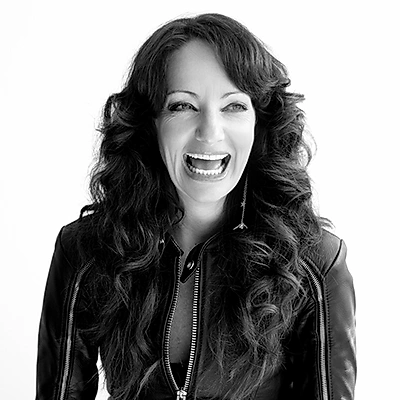 Pietra Brettkelly
Pietra Brettkelly is an award-winning New Zealand documentary director and producer whose films—including Beauty Will Save the World (2003), The Art Star and the Sudanese Twins (2008), A Flickering Truth (2015), and Yellow Is Forbidden (2018)—have premiered at Sundance, Toronto, Venice, Berlin, and Tribeca, with three Oscar submissions to her name. Her latest film, Crocodile (2026), is executive produced by Idris Elba.
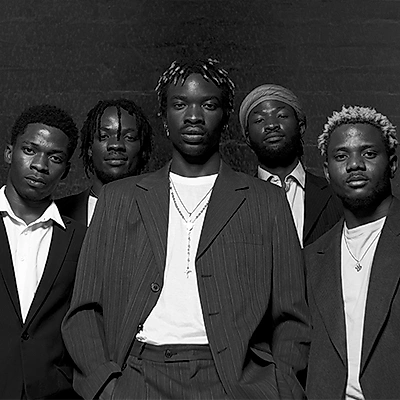 The Critics
The directors of Crocodile (2026) are also the subjects of the documentary feature film. Collectively known as The Critics, they began as young children in 2012 making short sci-fi films as a group of nine brothers, sisters, and cousins living in Kaduna, Nigeria. They have now made 54 short films, and the core five remain as The Critics—Raymond Yusuff, Ronald Yusuff, Richard Yusuff, Godwin Josiah, and Victor Josiah. Crocodile is their first feature film, and they are also currently in production on their first feature drama. They have taught themselves all their film-making skills including directing, producing, cinematography, editing and post-production.